Wednesday, 19 June 2024

What Exactly is a Hammer Mill and How Does it Function?

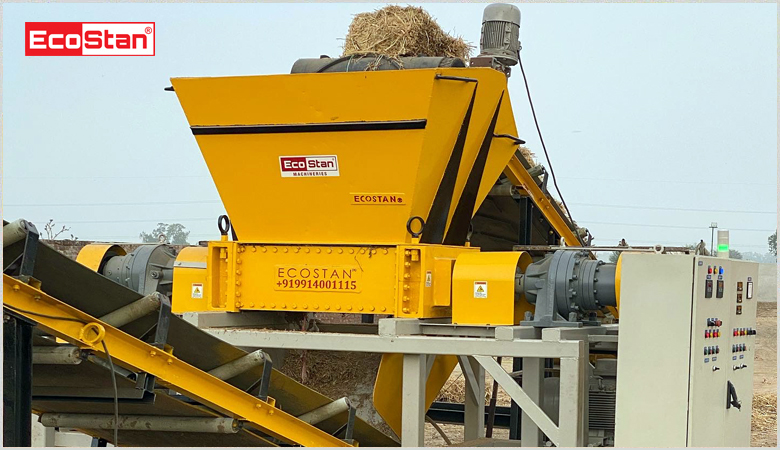
A hammer mill is a machine that shreds or crushes materials into smaller pieces. The basic design of machines of this type involves a rotating shaft to which free-swinging hammers are attached. This assembly is enclosed by a drum containing the pulverized material.

Hammer mills operate on the principle of impact. The hammers impact the material, which are attached to a rotor spinning at high speed inside the drum. The hammers strike the material with enough force to break it apart. The size of the final product depends on the size of the openings in the screens surrounding the rotor, through which the crushed material exits.

These mills are widely used in various industrial applications because of their versatility and ability to handle a wide range of materials. They are used in industries such as agriculture, mining, recycling, and even in pharmaceuticals.

Components and Working Principles

  1. Rotor: The rotor is the main working part of a hammer mill. It consists of a shaft with free-swinging hammers that are pinned to the shaft. The rotor is spun at high speed by an electric motor or diesel engine.

  2. Hammer: Each hammer on the rotor is a rectangular steel bar attached at its base to the rotor. The hammer's shape, size, and arrangement can vary depending on the application and the required output particle size.

  3. Drum or Casing: The rotor is enclosed in a drum or casing, which contains the material being shredded. The drum is usually made of steel and is designed to withstand the impact forces generated by the hammers.

  4. Screens: Surrounding the rotor are screens with holes of a specific size. These screens control the size of particles that can exit the hammer mill. Larger screens produce larger particles, while smaller screens produce finer or smaller particles.

  5. Feed Mechanism: Material is fed into the hammer mill from the top or side using gravity, a conveyor belt, or an auger. The material enters the drum and is repeatedly struck by the hammers until it is small enough to pass through the openings in the screens.

Functionality

When the hammer mill is operational, the motor drives the rotor to rotate at high speed through the belt, and the material enters the machine from the feeding hopper. The material is impacted by the hammer bars and is thereby shredded and expelled through screens in the drum of a selected size. Hammer mills are capable of reducing a wide range of materials including grains, biomass, and fibrous roots to a consistent particle size, making them a critical component in many processing industries.

Applications

  1. Agriculture: Hammer mills are used in agriculture for grinding grain and husks.

  2. Recycling: They are used in recycling operations to shred paper, cardboard, and plastic into smaller pieces for processing.

  3. Mining: In mining operations, hammer mills can crush ore into smaller sizes to liberate valuable minerals.

  4. Wood Processing: They are used in wood processing to reduce oversized chips and other waste into a manageable size for further processing.

  5. Pharmaceuticals: In pharmaceutical manufacturing, hammer mills are used to pulverize dried materials into powders for tablet formulation.

Advantages

  • Versatility: Can process a wide variety of materials.
  • Efficiency: High throughput with low energy consumption.
  • Adjustability: Particle size can be controlled by changing the size of the screen openings.
  • Simplicity: Relatively simple design and operation.

Considerations

  • Maintenance: Regular inspection and maintenance of hammers, screens, and bearings are necessary to ensure efficient operation.
  • Safety: Proper safety precautions must be taken due to the high-speed rotation of the rotor and the impact forces involved.

In conclusion, a hammer mill is a powerful machine used for crushing and grinding materials into smaller pieces. Its operation relies on the impact of the rotating hammer bars against the material to be pulverized. With applications ranging from agriculture to recycling, hammer mills are a vital part of many industries due to their versatility and efficiency in material reduction.

Thursday, 23 May 2024

How Can Biomass Shredders Contribute To Renewable Energy Production?


For sustainability, Biomass shredders have emerged as a pioneer in providing renewable energy. They create fuel from waste and residual products. This machine has created environment-saving efficiency. It transforms the bio-waste into a valuable fuel. The shredders significantly reduce the waste quantity by breaking it down into smaller pieces. The raw materials are waste wood, agricultural residue, and yard waste. This biomass shredder helps in the process of decomposition to convert the waste into a biofuel. It minimizes the landfill space to stop the production of greenhouse gases. These gases cause a considerable amount of climate change. To tackle this, there are Biomass shredders. 

Knowing Biomass Shredders

Biomass shredders convert organic waste into smaller and more manageable quantities. This equipment processes various waste materials like agricultural residue, wood, leftover food, and more. The process of shredding makes a material suitable for the energy conversion process. 


There are different types of biomass shredders. They are:

  1. Single Shaft Shredder: 

These shredders are useful for coarse shredding of a material. They are efficient for large wood pieces and other hard substances.

  1. Double Shaft Shredders:

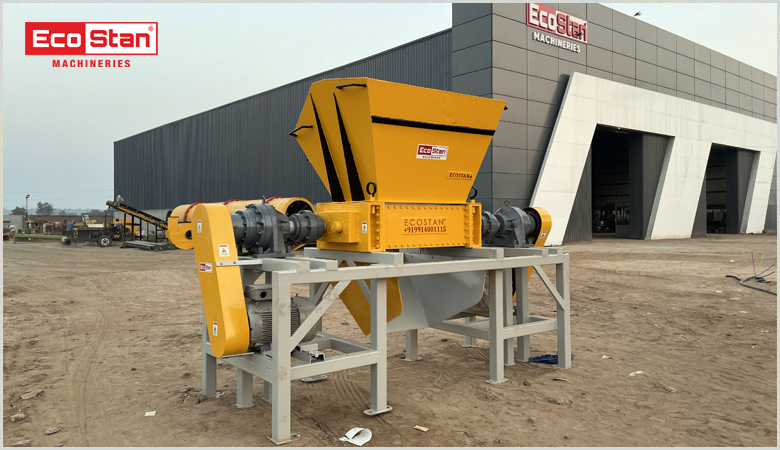
These shredders are efficient for finer shredding and are ideal for processing mixed waste and other material varieties. 

  1. Granulators:

These granulators are used for specific biomass like rubber, plastic, and organic materials. These machines are efficient for even finer shredding of materials. 

Contribution of Biomass Shredders 

A biomass shredder contributes to the environment in many ways. 

  1. Enhancing the Efficiency of Energy Production

Improves Efficient Combustion by shredding the biomass into smaller particles. The shredding ensures a uniform and efficient combustion. The smaller particles burn completely at a high temperature releasing more energy. The shredders contribute to gasification that creates syngas. It is an energy source derived from waste material efficiently processed in shredders. 


The shredders Improve Anaerobic Digestion. This process produces biogas. The shredded biomass will decompose more quickly and efficiently. It will enhance the quality of the biogas. 

  1. Beneficial for the environment

Biomass shredders have many environmental benefits. They help in reducing waste by converting it into energy. The machine prevents the waste from going into landfills. It saves a lot of space.


Biomass energy is carbon-neutral. During the energy conversion process, a minimal amount of carbon dioxide is released. That is useful enough for plants and trees during their growing process. An efficiently produced biomass ensures that the balance of nature is maintained.


A biomass shredder sustainably helps in resource management. They help in processing the agricultural and forest residues. It contributes to the sustainable management of waste material to create resources to replace fossil fuels. 

  1. Economic development of the community

A biomass shredder contributes to the community, and economic well-being along with environmental benefits. The biomass energy sector supports the use of shredders and creates jobs in that society. The jobs are created in equipment manufacturing, operation, and maintenance. It also provides earning opportunities in the process of biomass collection and transportation. 


The process provides energy security by utilizing locally available biomass resources. The shredders provide security by reducing dependence on imported fossil fuels. They also support the rural and local economy by creating a market for agricultural residues and other organic materials. 

Technological Advancements in Energy Production

The technology of a biomass shredder is continuously improving. The advancements are aimed at improving efficiency and adaptability. The innovations are an incorporation of automated systems for better control and monitoring of the shredding process.  It ensures great performance and energy efficiency. They are now being designed to handle a wider range of materials versatile for various energy production methods. 

Conclusion

Biomass shredders highly contribute to creating renewable energy sources. The machinery enhances the efficiency of creating biofuel and contributes to sustainability for the environment. The MSW shredder processes the organic waste into an efficient fuel. The biomass shredder contributes to waste reduction, carbon neutrality, and managing resources sustainably. The shredders support economic growth and care for the environment. At Ecostan, there are a plethora of machines that are capable of contributing towards renewable energy production. Our team of experts will guide you with the best of their experience. Contact us to learn more.


Friday, 19 April 2024

Maximizing Efficiency with the Paddy Straw Shredder

Paddy Straw Shredder

In the agricultural innovation, efficiency is prime. And when it comes to dealing with paddy straw shredder, an important issue of farming in lots of areas, having the proper device can make all the distinctions. Enter the Paddy Straw Shredder – a recreation-changer in the realm of farm equipment.

Understanding the Importance of Paddy Straw Management

Paddy straw, whilst considerable after harvest, can pose good-sized challenges if no longer managed nicely. Traditional methods of disposal, which include burning, not only contribute to air pollutants but also waste precious natural count numbers that would be utilized for soil enrichment. Moreover, manual strategies of cutting and mulching are labor-in-depth and time-ingesting.

Introducing the Paddy Straw Shredder

The Paddy Straw Shredder offers an innovative approach to these challenges. Designed with present-day generation and precision engineering, this machine is specifically crafted to efficaciously shred paddy straw into nice particles, prepared to be used in mulching or composting.

Features and Benefits

High Efficiency: The Paddy Straw Shredder boasts astounding efficiency, able to process big volumes of paddy straw in a short quantity of time.

Versatility: Whether you're a small-scale farmer or managing a huge agricultural operation, this shredder is adaptable to various farm sizes and necessities.

Quality Output: With its finely shredded output, this machine guarantees uniformity in particle length, ideal for mulching and composting programs.

Ease of Use: User-friendly controls and ergonomic layout make operating the Paddy Straw Shredder a breeze, lowering the need for significant education or specialized abilities.

Environmental Sustainability: By converting paddy straw into valuable natural dependents, this shredder promotes eco-friendly farming practices and reduces reliance on chemical fertilizers.

Applications in Agriculture

Ecostan
Ecostan

The Paddy Straw Shredder unearths versatile packages across the agricultural panorama:

Mulching: Finely shredded paddy straw serves as a high-quality mulching material, supporting retaining soil moisture, suppressing weed growth, and enhancing soil structure.

Composting: Incorporating shredded paddy straw into compost piles enhances microbial interest and accelerates the decomposition manner, yielding nutrient-wealthy natural fertilizer.

Conclusion

In conclusion, the Ecostan represents a paddy straw shredder paradigm shift in agricultural technology, presenting farmers with a sustainable and efficient solution for handling paddy straw waste. With its myriad benefits and real-global success memories, this revolutionary machine is poised to revolutionize farming practices globally.

Thursday, 22 February 2024

Exploring The Eco-Friendly Advantages Of Ecostan Rotary Dryers

Industries produce their products in massive quantities. Many factories dry the raw materials with the help of large machines called Rotary Dryers. The agricultural products and industrial waste need little to no moisture for further processing. It is where these machines are usable. Here we will understand the use and benefits of a Rotary Dryer.


Variations of Rotary Dryers

There are three main types of industrial Dryers for specific needs.

  1. Direct Rotary Dryers

  2. Indirect rotary Dryers

  3. Rotary Cascade Dryers


Direct Rotary Dryers


These types of dryers are useful in dry solids, grains, and shredded pieces. In the process, gas in hot temperatures comes in direct contact with the material and dries its moisture. The material goes into the rotating drums that move through the dryer to ensure uniform dehydration. 


Indirect Rotary Dryers


These dryers are best for materials that do not need direct heat. The materials can be chemicals, edible items, or fine powder of any material. The outer shell of this dryer has a heated medium like thermal oil or steam that circulates to provide indirect heating inside. It ensures equal and controlled drying of the material.


Rotary Cascade Dryers


This dryer is useful for materials like biomass, municipal waste, sludge, or chemicals with a sticky consistency. These materials need an extended drying time and usually stick together. In this mechanism, the machine lifts the material and cascades it through the dryer. This way of drying prevents the forming of lumps.


Advantages and Uses of Rotary Dryers

A Rotary Dryer has numerous benefits. It is useful in farming, mining products, chemical industries, and energy generation. The details are stated below:

In Agriculture


These dryers are used in farming practices to dry pulses, rice, corn, and much more. These dried grains are then efficiently stored because now, there is less moisture in them. The grains now have less chance of getting spoilt during transportation, packaging, and sale.


In Mining 


In the mining industry, a Rotary Dryer is useful in drying precious ores and minerals like iron ore, copper in concentrate form, and coal. Removing moisture from them increases efficiency in handling and makes them easy to transport.


Municipal waste and other biomass


It has a revolutionary effect on the environment. It helps in recycling waste and biomass to make it useful as a fuel. It dries various materials like waste wood from a sawmill, leftover wood chips, agricultural remains, and biomass like animal waste, etc. After drying, these materials are converted into biofuel, an excellent source of energy. Some materials are dehydrated for further treatment and disposal. 


Eco-Friendly Advantages


These Rotary Dryers have maximum eco-friendly advantages. 

-They are helpful in manufacturing biofuel from wood and farming waste materials.

-They help to process the municipal waste to convert it into a dry and sustainable fuel.

-They help to reduce the moisture in the biofuel which results in less smoke on burning thus saving the environment.

-All the material that was supposed to go into landfills is dried in this machine for further recycling.


Conclusion


Rotary dryers are machines that are effective in drying a lot of materials, making them suitable for many types of Industries. Knowing about the properties of different rotary dryers will make it easy to select the one for optimal use. These dryers need proper maintenance and inspections like cleaning, lubrication, inspection, repairs, and monitoring while they work. At EcoStan are leading Rotary Dryer Manufacturers with all types of dryers. Feel free to contact us to learn about various other machines and products.


Monday, 5 February 2024

Ecostan's Paddy Straw Briquetting Machine: The Future of Agriculture

Agriculture plays a fundamental role in our society. The importance of agriculture cannot be just put into words. However, following conventional agricultural activities will no longer serve us in current times.


Sustainable methods are now necessary. One of the main problems farmers frequently confront is managing paddy straw. The ecology usually deteriorates as a result of traditional agricultural methods.


But creative solutions like Ecostan's Paddy Straw Briquetting Machine are opening the door for an environmentally responsible and sustainable agricultural future.


Let's read more about the Paddy Straw Briquetting Machine in today's blog!


The Paddy Straw Obstacle


Rice straw is a fibrous residue you get after rice harvesting. Also, it is sometimes known as paddy straw. Farmers always burn this waste to prepare fields for the following crop cycle. Unfortunately, this long-standing practice has detrimental environmental effects. It aggravates soil erosion and air pollution to the next level. So, there has never been a greater urgent need for a sustainable paddy straw management solution like this before.


Ecostan's Paddy Straw Briquetting Machine


As we stand today, Ecostan is a leader in environmentally friendly farming practices. The Paddy Straw Briquetting Machine has been introduced by them. It is simply a game-changing invention. Paddy straw gets converted into briquettes using state-of-the-art technology. It provides a more environmentally friendly option than burning and discarding. The device compacts the straw into thick, energy-efficient cylindrical and clean briquettes.


Key Characteristics of Paddy Straw Briquetting Machine


These are some of the different attributes of the Ecostan’s Paddy Straw Briquetting Machine-


Efficiency of Energy


The machine used by Ecostan creates briquettes that function as a sustainable energy source. These briquettes are an economical and energy-efficient way for farmers to cook or heat their land.


Community Empowerment


Ecostan's effort helps local communities as well as the environment. Ecostan provides farmers with a creative way to handle paddy straw, which promotes rural development and stable economies.


Enrichment of Soil


The ash left over from the briquettes can be spread back into the fields as a natural fertilizer, preventing soil erosion caused by burning. This closed-loop technology improves agricultural sustainability and fosters soil health.


The Role of Paddy Straw Briquetting Machine: Future of Agriculture


Ecostan's Paddy Straw Briquetting Machine is at the forefront of things. It is a ray of hope for the future of agriculture. The struggle with issues of environmental degradation is real. So, farmers can decrease their ecological footprint and increase productivity by adopting sustainable technologies.


International Perspective


The demand for sustainable activities and products is being driven by the increasing awareness of environmental challenges. These issues are becoming familiar on a worldwide level. The Paddy Straw Briquetting Machine from Ecostan is a crucial component of sustainable agriculture since it complies with the current worldwide trend towards environmentally friendly decisions.


Information and Learning


New developments in agricultural technology are being fueled by ongoing research and development. Governments, businesses, and academic institutions working together can produce innovations that solve issues facing the agriculture industry.


Concluding This Here-


The Paddy Straw Briquetting Machine from Ecostan is at the vanguard of an agricultural revolution. This invention helps farmers and the environment at large by offering a long-term solution to the problem of managing paddy straw. As we move forward, adopting this environmentally friendly technology is essential to creating a robust and long-lasting agricultural ecosystem.


Thursday, 25 January 2024

Paddy Straw Processing Revolution: Ecostan's Chipper Technology


Agricultural residues, especially paddy straw, have long been a situation due to their environmental effect and the challenges related to their disposal. However, contemporary technology is emerging to transform this hassle into a possibility. One such recreation-converting solution is EcoStan's Chipper Technology, which is spearheading the paddy straw processing revolution. A paddy straw chipper is the best for the paddy straw processing. In this blog, we delve into the significance of paddy straw, the challenges it poses, and the way EcoStan's progressive chipper generation is making strides in sustainable waste control.


The Paddy Straw Predicament:


A predominant problem in lots of agricultural regions has been caused by the byproduct of rice farming, paddy straw. After harvesting, farmers have traditionally burned the straw, which has brought about air pollution, degraded soil, and fitness dangers. The quantity of paddy straw burning has precipitated environmental troubles on a worldwide scale, thus locating environmentally acceptable answers to deal with it is crucial.

EcoStan's Chipper Technology:

EcoStan, a leader in the field of bioenergy gadgets, has added an progressive method to address the paddy straw quandary – the Chipper Technology. This advanced system is designed to manner paddy straw efficaciously, offering a sustainable and environmentally pleasant method of agricultural waste control.


Key Features and Benefits:

1. High Efficiency Chipping:

EcoStan's chipper era excels in efficaciously changing paddy straw into small, plausible chips. The excessive-pace chipping mechanism ensures a quick and effective system, decreasing the volume of straw and getting ready for further use.

2. Versatility in Biomass Utilization:

Chipped paddy straw can be utilized for various applications, including biomass fuel, animal bedding, composting, and more. This versatility provides significant value to the processed straw, turning it from a waste product right into a precious resource.

3. Environmentally Sustainable:

By casting off the need to burn paddy straw, EcoStan's chipper era contributes to environmental sustainability. The reduction in air pollution and soil degradation related to straw glowing positively impacts the overall ecological stability.


4. Cost-Effective and Resourceful:

 The chipper technology no longer presents an eco-friendly answer but also proves to be fee-effective for farmers. The processed paddy straw may be used at the farm for diverse functions, lowering the dependency on external sources and contributing to a more sustainable and self-reliant farming version. 

5. Community and Government Benefits:

 The adoption of EcoStan's chipper generation extends its blessings, past character farmers. Communities benefit from improved first-class air, and governments witness a discount on the environmental and fitness-related charges related to paddy straw burning.

 Conclusion: 

EcoStan's Chipper Technology represents a considerable soar forward in addressing the demanding situations posed by paddy straw and remodeling them into possibilities for sustainable agriculture. By providing farmers with an efficient and eco-friendly solution, this generation isn't just a equipment innovation; it's a commitment to constructing a greener, more healthy, and extra sustainable future for agricultural groups. The paddy straw processing revolution is underway, and EcoStan's Chipper Technology is at the leading edge, paving the manner for a more environmentally conscious and resource-efficient agricultural panorama.


Thursday, 18 January 2024

Efficient and Reliable: White Coal Machine for Sustainable Fuel Production


Sustainable and environmentally friendly solutions are becoming important these days. Also, the search for renewable and alternative energy sources has grown in popularity. The White Coal-Making Machine is one of the latest technologies contributing to this trend. This groundbreaking device is revolutionizing the way that fuel production is done by providing a cost-effective and reliable method of producing renewable energy.

 Understanding White Coal

Before we begin the workings of this White Coal-Making Machine, it's essential to know that coal white is a kind of. Compared to traditional coal derived from fossil fuels, White coal is a green substitute for organic materials such as forest residues, agricultural waste, and biomass. It is a secure, renewable energy source that contributes to cutting carbon emissions.


The White Coal-Making Machine: An Overview

This White Coal-Making Machine mainly converts organic waste into high-value briquettes known as white coal. This machine uses a streamlined procedure that starts with recycling biomass wastes. It includes sawdust, crop residues, and wood chippings.

 1. Raw Material Collection: The initial step is collecting organic waste materials that could be thrown away or burned and contribute to the pollution of the environment.

 2. Drying Process: The collected material undergoes air drying to lower its moisture content. This is vital since it improves the efficiency of the following steps.

 3. Crushing and Pulverization: The dry materials are crushed and made into fine powder to prepare for the next stage.

 4. Mixing and Binding: The mixed and bound biomass is well combined with the binding agent, typically a natural adhesive, to form a clumping mixture.

 5. Compression and Extrusion: The mix is then fed to the White Coal-Making Machine and subjected to extrusion and compression to form cuboidal or cylindrical Briquettes.

 6. Carbonization: The resulting briquettes are then subjected to a controlled carbonization process, increasing their calorific content and allowing them to be suitable for use as fuel.


  The Advantages of White Coal-Making Machine

 1. Environmentally friendly: The most significant benefit of this White Coal-Making Machine is its contribution to the conservation of the environment. Utilizing agricultural and forestry waste can help reduce the amount of garbage disposed of and the need to mine traditional coal.

 2. Renewable Energy Source: This machine encourages using renewable energy by using power from organic waste. This does not just reduce the dependency on finite fossil fuels but addresses managing waste.

 3. Cost-effective: White coal production using this method proves economical in the long term. The vast supply of raw materials, as well as the effectiveness of the process, add to a sustainable, economical process for producing fuel.


 Conclusion

As we face the challenges of climate change and work towards an environmentally sustainable future, innovative technologies such as the White Coal-Making Machine emerge as positive signs of the times. In transforming organic waste into an efficient green fuel source, this technology is not just addressing the energy requirements of today but also guarantees a healthier and greener future. The reliability and efficiency of this White Coal-Making Machine underscore its potential to transform the energy sector, which makes it a crucial instrument in the quest for an environmentally sustainable future.